Factors affecting High blood pressure
Even if you are trying to reduce your blood pressure it may not be working. Or you don’t understand the reason why your blood pressure is increasing.
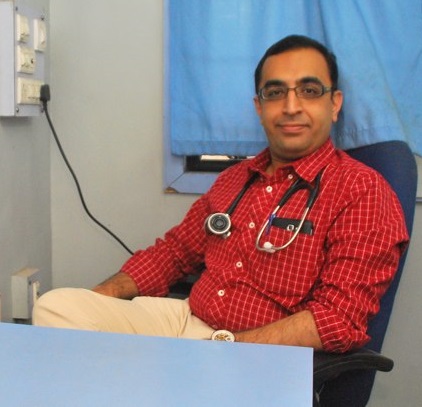
As a cardiologist, I know what people feel about this situation.
So, In this blog we’ll understand, what is blood pressure & it’s causes, What can we do to reduce HBP, and when you need to see doctor immediately.
Let’s get started
Understanding Blood Pressure
Blood pressure is the force of blood against the walls of your arteries as it travels through your body.
Blood pressure is measured in millimeters of mercury (mmHg) and has two readings:
systolic, which measures the pressure in your arteries when your heart beats, and diastolic, which measures the pressure in your arteries between beats..
Normal blood pressure is less than 120/80 mmHg. If your systolic reading is between 120-139 mmHg and/or your diastolic reading is 80-90 mmHg, you are considered prehypertensive.
Anything above this range indicates hypertension.
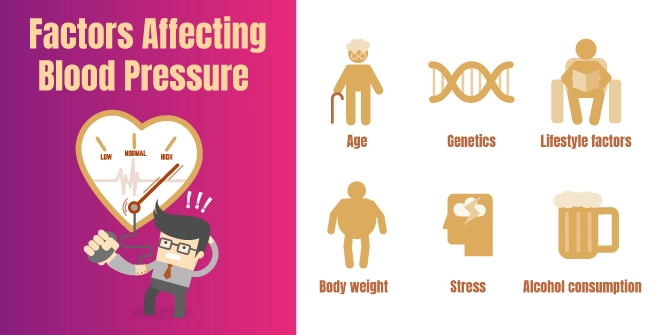
What Causes High Blood Pressure?
The causes of high blood pressure can be divided into two categories:
Modifiable and Non-modifiable factors.
Modifiable factors are those that we can control such as our diet, weight, stress levels and physical activity levels.
Non-modifiable factors include age, gender and family history – things that we cannot change but should still be aware of in order to manage our health better.
Modifiable Factors (H3)
- Diet:
- Weight:
- Stress Levels:
- Physical Activity:
- Non-steroidal Anti-inflammatory Drugs (NSAIDs) :
- High cholesterol:
- Alcohol:
Eating a diet high in salt, processed foods, refined carbohydrates and saturated fats can all lead to high blood pressure.
It is important to focus on eating whole foods such as fruits and vegetables, lean proteins, low-fat dairy and healthy grains such as quinoa or buckwheat.
Maintaining a healthy weight is essential for controlling your blood pressure levels.
Being overweight or obese puts extra strain on your heart and increases the risk of developing hypertension.
Stress can be a trigger for high blood pressure, so it’s important to find ways to manage stress effectively.
This could include mediation, yoga, exercise or talking with a friend or therapist about how you are feeling.
Regular exercise is key for managing hypertension and keeping your heart healthy.
It is recommended to aim for 30 minutes of moderate-intensity exercise 5 days a week, such as walking or jogging.
Non-steroidal anti-inflammatory drugs or NSAIDs, such as ibuprofen and naproxen, can increase your risk of developing hypertension.
If you are taking an NSAID, talk to your doctor about other options that can reduce inflammation without raising your blood pressure.
High cholesterol can lead to arterial blockages, which in turn can raise your blood pressure.
Eating foods low in saturated fats and exercising regularly can help reduce your cholesterol levels.
Drinking alcohol can lead to high blood pressure in several ways. First, it stimulates the body's natural production of adrenaline, which causes your heart rate and blood pressure to increase.
Alcohol consumption generally leads to an increase in salt intake, which also increases blood pressure.
Long-term alcohol consumption may also damage or weaken the walls of the arteries, leading to high blood pressure.
Lastly, drinking can cause abnormalities in the heart muscle that can lead to an increase in blood pressure.
Non-Modifiable Factors (H3)
- Age:
- Gender:
- Family History:
As we age, our blood pressure tends to increase due to changes in our cardiovascular system. It is important to have regular checkups with your doctor so they can monitor your blood pressure levels over time and recommend any lifestyle changes if needed.
Women are more likely to develop hypertension than men, particularly after menopause when there are hormone fluctuations that can affect our cardiovascular system.
If you have a family history of hypertension, you are more likely to develop the condition.
Be sure to discuss this with your doctor so they can monitor your blood pressure levels and suggest any lifestyle changes that may be necessary.
When to see a doctor?
If you experience any of the following symptoms, it is important to seek medical attention as soon as possible:
- Unusually high or low blood pressure readings
- Sudden headaches, fatigue, or confusion
- Blurred vision or other changes in vision
- Chest pain
- Shortness of breath
- Irregular heartbeat.
In conclusion, high blood pressure is a serious condition that affects many people across the world.
By understanding what factors can increase our risk for hypertension and taking proactive steps to manage them, we can work towards keeping our hearts healthy.
If you have any questions or concerns about managing your own blood pressure levels, please speak to your doctor or healthcare provider.