13 Effective Measures to Keep Blood Pressure Under Control
High blood pressure is a widespread health problem around the world, leading to stroke and cardiovascular disease.
But it's important to know that there are steps you can take to keep your blood pressure at a healthy level.
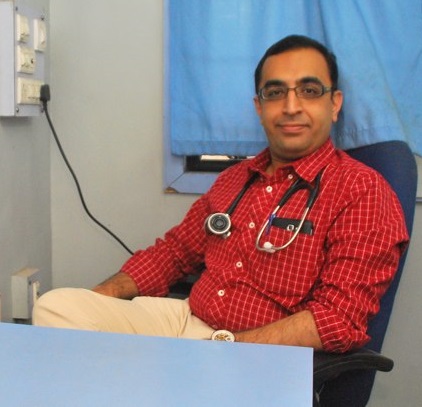
In this blog post, as an expert cardiologist, we will discuss 13 of the most effective measures you can take in order to reduce your risk.
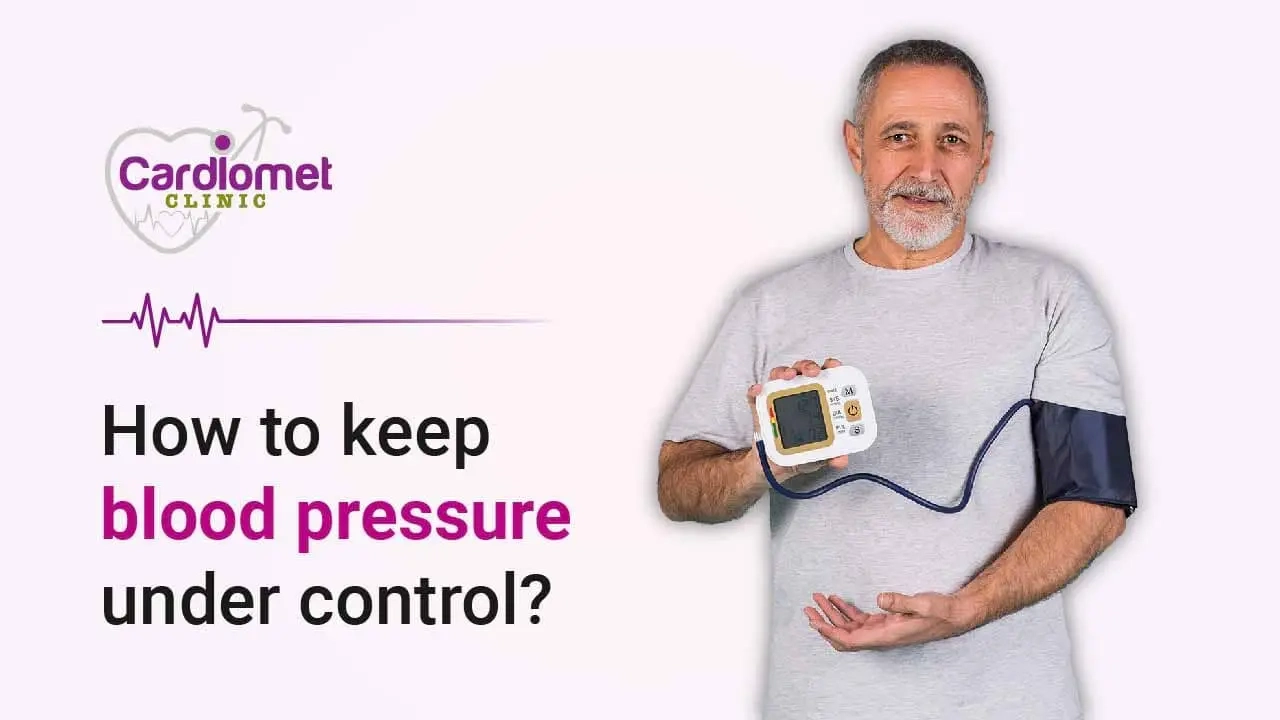
What is High Blood Pressure i.e Hypertension?
Hypertension (also known as high blood pressure) is defined as having a consistently elevated level of arterial pressure.
The upper value (systolic) should not exceed 140 mmHg; while the lower value (diastolic) should be below 90 mmHg, according to the World Health Organization.
High blood pressure affects millions of people around the world and can lead to serious complications such as stroke, heart attack, and damage to vital organs.
Here are 13 measures one can take in order to reduce their risk of high blood pressure
- Exercise Regularly:
Regular physical activity is one of the most important steps you can take to reduce your risk of high blood pressure and heart disease. Aim for at least 30 minutes of moderate exercise, such as walking or jogging, 4-5 times a week
- Eat a Healthy Diet:
Eating a nutritious diet full of whole grains, lean proteins, fruits, vegetables, and low-fat dairy products can help keep your blood pressure in check and reduce the risk of cardiovascular disease. Avoid processed foods and sugary drinks that are high in sodium and saturated fats
- Reduce Salt Consumption:
Eating too much salt can lead to higher levels of sodium in your bloodstream, which increases your risk for hypertension. Aim to limit your salt intake to no more than 2,400 milligrams a day
- Lower Your Stress Levels:
Stress is one of the leading causes of high blood pressure. Make sure you take the time to relax each day and practice stress-relieving activities like yoga or meditation
- Quit Smoking:
Smoking is one of the worst things you can do for your heart health, as it increases your risk for hypertension and other cardiovascular ailments. If smoking is a habit you need help with, consider talking to a doctor or specialist about quitting methods that could work best for you
- Avoid Alcohol:
Too much alcohol can cause long-term damage to your heart and circulatory system, increasing blood pressure levels. Try to keep your alcohol consumption minimal and within the recommended limits
- Monitor Your Blood Pressure:
Regularly checking your blood pressure is an important way to monitor and manage it over time. Aim to get your numbers checked at least twice a year by a healthcare professional
- Keep Track of Your Weight:
Being overweight or obese can raise your risk for high blood pressure, stroke, and heart disease, so make sure you’re monitoring your weight regularly and taking steps to stay in a healthy range if necessary
- Get Plenty Of Sleep:
Getting enough sleep each night helps regulate hormones in the body that can lead to higher levels of stress and anxiety, both of which are linked to hypertension. Aim to get at least seven hours of quality sleep a night
- Drink Plenty Of Water:
Staying hydrated is key for maintaining a healthy blood pressure level and avoiding dehydration. Make sure you’re drinking 6-8 glasses of water each day, or more if you’re very active
- Limit Caffeine Consumption:
Too much caffeine can raise your blood pressure temporarily, so consider limiting your intake of caffeinated beverages like coffee and energy drinks
- Take Vitamins & Supplements:
Certain vitamins, minerals, and supplements can help reduce your risk for hypertension. Talk to a doctor about which ones may benefit you most
- Get Regular Health Screenings:
Scheduling regular health screenings, such as blood tests and cholesterol checks, with your doctor can help catch any potential problems early. This allows you to take steps to prevent further damage and complications.
By following these 13 tips, you can make sure that your heart stays healthy and your blood pressure remains in a safe range.
If you’re ever concerned about the health of your heart or experience any symptoms like chest pain or lightheadedness, be sure to contact a healthcare professional right away.
By taking simple preventive measures like those listed above, you can reduce risk factors for hypertension and other cardiovascular ailments and enjoy a healthier life overall!